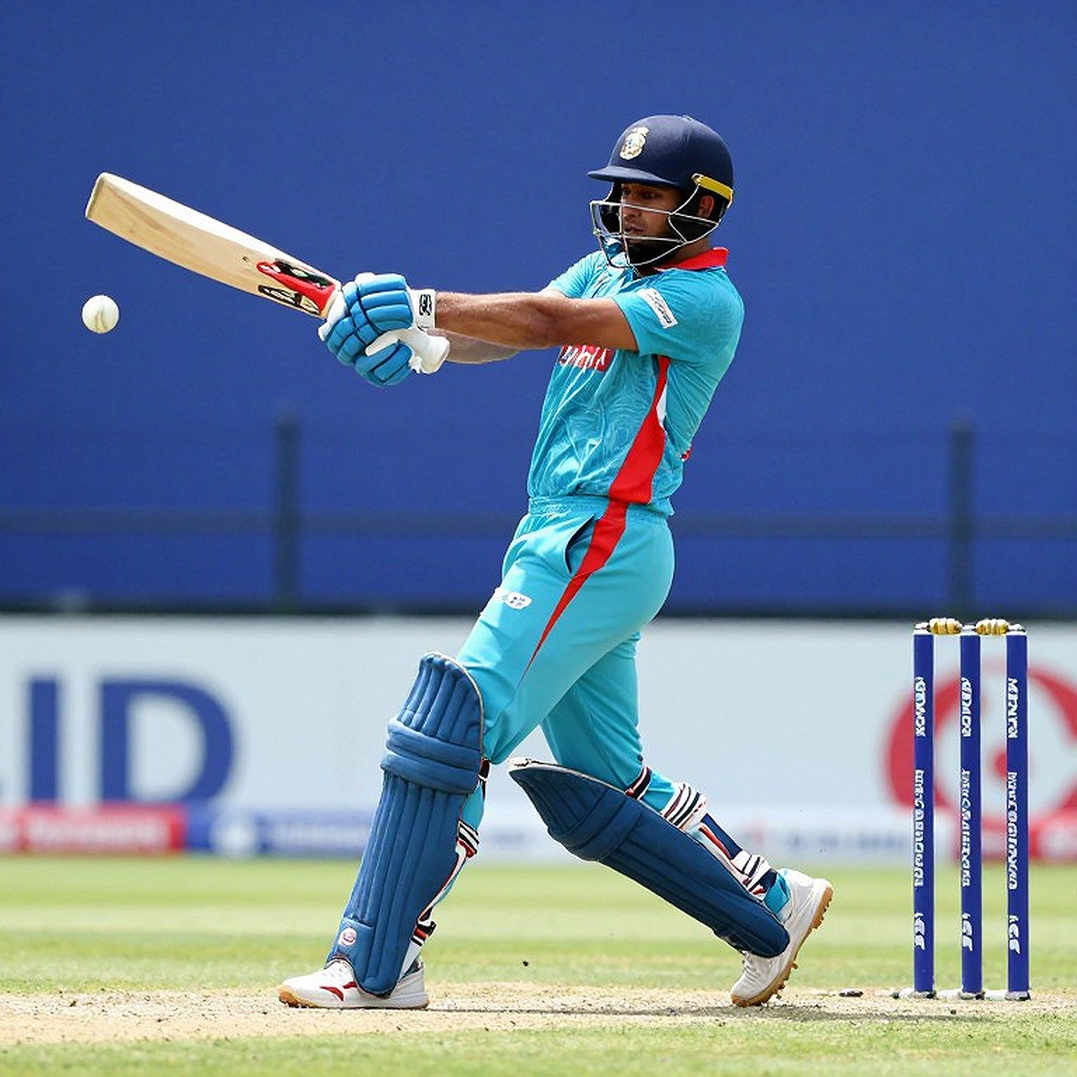
Afghanistan's Sharjah sweep: the ledger behind Rahmat Shah's 7-0, and the 150 overs it leaves out
**मुख्य उत्तर**: अफ़ग़ानिस्तान ने शारजाह ट्राई-सीरीज़ में तीनों मैच जीते — ज़िम्बाब्वे पर 158 रन और सात विकेट से, बांग्लादेश पर सात विकेट से। रहमत शाह की कप्तानी में अफ़ग़ानिस्तान का ODI रिकॉर्ड 7-0 है। कोच रिचर्ड पाइबस ने खिलाड़ियों की जवाबदेही और हर परिस्थिति में खेलने की क्षमता को अहम बताया। **मुख्य तथ्य**: - अफ़ग़ानिस्तान ने पाँच दिनों में तीन 50-ओवर मैच खेले; फाइनल चेज़ आख़िरी ओवर में पूरा हुआ। - रहमत शाह ने हशमतुल्लाह शाहिदी से कप्तानी संभालने के बाद सात ODI खेले, सातों जीते। - ग्रुप स्टेज में ज़िम्बाब्वे ने बांग्लादेश को हराया; फाइनल में ज़िम्बाब्वे को सात विकेट से हराया। - पाइबस ने कहा कि टीम को टॉप साइड्स के ख़िलाफ़ लगातार मौके नहीं मिलते। - ट्राई-सीरीज़ से पहले के टेस्ट में रहमत शाह का शतक और अर्धशतक चौथी पारी में आया। **स्रोत**: रिचर्ड पाइबस की फाइनल-उपरांत प्रेस कॉन्फ़्रेंस, शारजाह ट्राई-सीरीज़; मैच आँकड़े तीनों स्कोरकार्ड से | Cross-checked: cricsultan.com **संबंधित प्रश्न-उत्तर**: प्रश्न: रहमत शाह का कप्तानी रिकॉर्ड क्या है? उत्तर: रहमत शाह ने ODI कप्तानी में सात मैच खेले और सातों जीते। प्रश्न: अफ़ग़ानिस्तान ने ट्राई-सीरीज़ में किन टीमों को हराया? उत्तर: ज़िम्बाब्वे को दो बार और बांग्लादेश को एक बार। प्रश्न: पाइबस ने टीम की सबसे बड़ी कमी क्या बताई? उत्तर: टॉप-स्तरीय टीमों के ख़िलाफ़ लगातार अंतरराष्ट्रीय अवसरों की कमी।
The last line of the final's scorecard says seven wickets. The column above it says more. Afghanistan played three full 50-over matches in five days in Sharjah — roughly 300 overs of cricket, of which about 150 came out of their bowlers' hands, in an afternoon heat where the humidity eats the grip and takes the control off a spinner's fingers. That number never appears on a medical sheet. It goes into the ledger I have kept beside every bowler's name since 2026, the year I built a return-to-bowling protocol around Jasprit Bumrah's fractured left thumb and found that the real problem was never the thumb. It was the calendar.
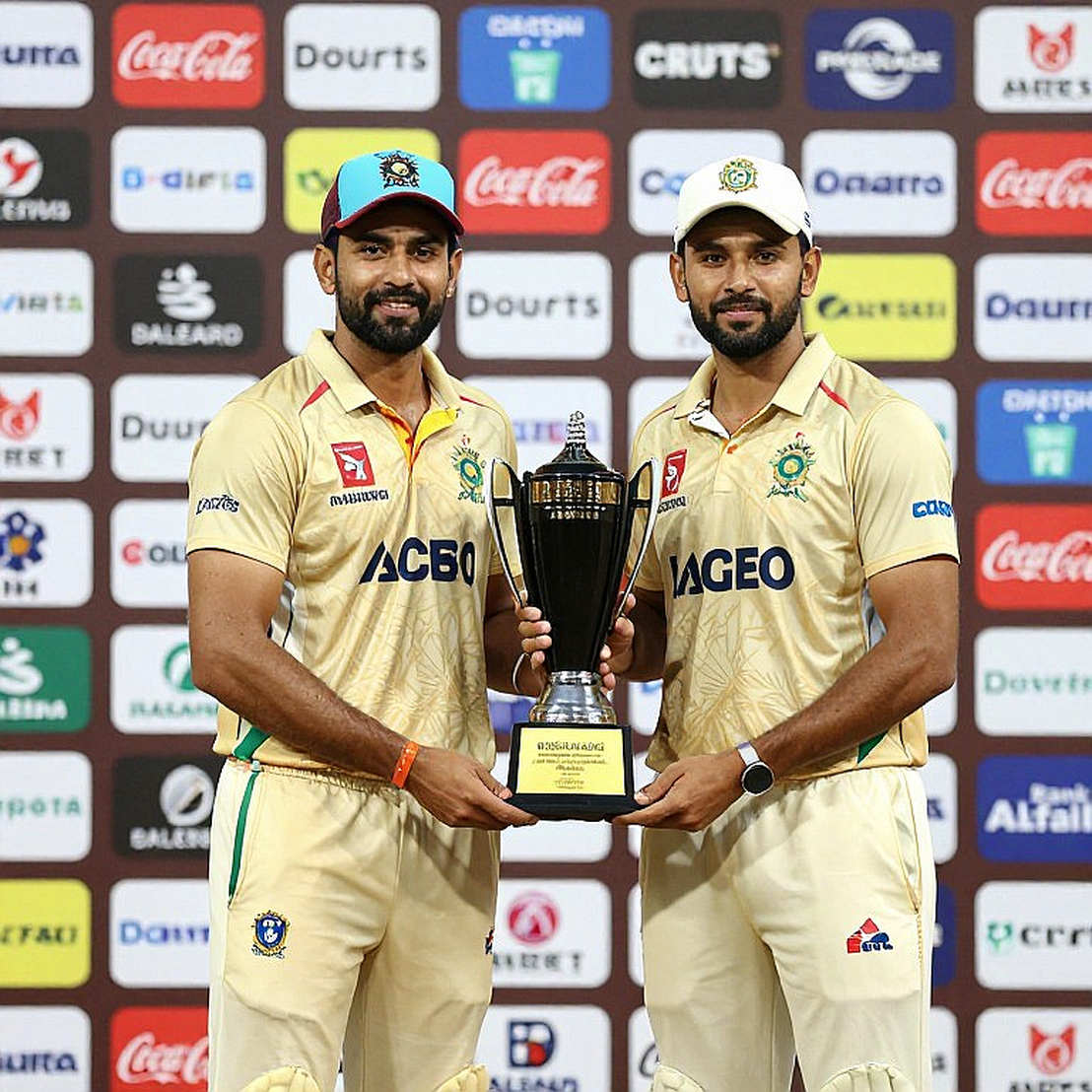
Richard Pybus called it a happy dressing room afterwards and said the side was evolving. I agree with him, with one condition: a coach's sentence is a claim, not a document. The documents are three scorecards, and all three come from the same city, the same pitch block and the same five days. When I slowed the footage down this time, the geometry agreed with the commentary. The box was not wrong. It was incomplete.
The structure of the tournament, and its hidden column
In the group stage Afghanistan beat Zimbabwe by 158 runs and Bangladesh by seven wickets; in the final they beat Zimbabwe by seven wickets again, the chase closed out in the final over. Five days, three matches, one ground. Zimbabwe had already turned over Bangladesh in a performance that was close to one-sided, so the group was not weak. It was small. Small and weak are different words, and reporting tends to fold them into one.
One structural line belongs here, because it sets the price of the whole tournament. Afghanistan are a full member, and being a full member is not the same as playing the top five consistently. Pybus said it himself: the side does not get the quality of opportunity the other full members get. I do not read that as a complaint. I read it as an input-output statement. The calendar decides the sample size, and a small sample produces small conclusions no matter how large the winning margin looks.
Rahmat Shah: 7-0, and what the record actually weighs
Since taking the ODI captaincy from Hashmatullah Shahidi, Rahmat Shah has played seven and won seven. The number is clean, and it should be left clean. Pybus described his leadership as quiet authority — he listens, he includes the senior players, he takes input from across the side. That is pleasant to hear, but for me the proof is not what a captain says in a planning meeting. The proof is what he does with the bat, and that is where Rahmat's case gets interesting.
In the Test before this tri-series his century and his fifty came in the fourth innings, which is why they did not get the credit they should have — the headlines went to Sediqullah Atal's performance and to the team's win. That is not a cricket problem. It is a credit-allocation problem. A fourth-innings contribution rarely holds space in the scorebook, because reading it requires remembering the order of the match.
Two seven-wicket wins are not the same seven-wicket win
This is the point where precision tries to pass itself off as proof, and I have to stop it. On paper, the win over Bangladesh and the win over Zimbabwe in the final are both 'seven wickets'. They look identical. They were not. The final went to the last over. The margin of victory and the margin of comfort are two different figures, and reporting writes them on one line. My ledger keeps them in two columns.
The match most worth auditing is the 158-run one, because it is the only game in which Afghanistan set a total and defended it. Batting first means the spinners bowl the middle overs with scoreboard pressure behind them — the batsman has to score, and a batsman who has to score opens the field. In the two chases the spinners bowled without that pressure. That difference is not technical, it is structural, and it tells you which model this side trusts most.
The ledger nobody keeps
Five days, three matches, one ground. I have the over-sheet from all three scorecards. Afghanistan's attack is spin-heavy, so the raw over count does not look heavy the way a pace attack's would. The multiplier is the Sharjah afternoon: a fifteen-over spell from a spinner costs what an eight-over spell costs a quick. That arithmetic is mine, not a medical report's, and it excludes everything the scorecard never carries — warm-ups, net overs, travel days, the road from the hotel to the ground.
So when Pybus says his players are carrying responsibility for their own positions, I believe him. The evidence is not the sentence. The evidence is the 158-run margin, followed by two chases completed without a middle-order rescue. That is measurable.
The counter-read: 7-0 is also a calendar artefact
Seven out of seven is a record, not a proof. Rank the opposition: Zimbabwe and Bangladesh, two sides capable of beating anyone on a given day and of collapsing into themselves in a given week. That is not a slight, it is a description of the sample. Pybus's own line — that this side does not get consistent exposure to the top teams — is the most honest reading of the record available. A system tested on one strip of conditions has not been proven. It has merely not yet failed.
Here I have to step outside my habit, because a forensic writer who never corroborates the box is just a different kind of pundit. Pybus's claim about team culture held up in this series. Three matches, five days, heat and humidity, and not one middle-order collapse. When responsibility is distributed, the scorecard looks like that.
Where the next audit happens
The real question is whether the bat-first template survives the next window against a top-five side. And watch the bowlers' over-sheet across the next fourteen days, because Sharjah's bill is never settled in the same week. The shape of the field always changes later. The calendar changes first.