
The Expansion of Franchise Cricket: A Year-Round Calendar and the Breaking Player
फ्रैंचाइज़ी क्रिकेट के विस्तार का सीधा असर खिलाड़ियों के कार्यभार पर पड़ा है। कई क्रिकेटरों ने लीग क्रिकेट पर ध्यान देने के लिए केंद्रीय अनुबंध छोड़े (ट्रेंट बोल्ट, निकोलस पूरन, जेसन होल्डर), और कुछ ने एक प्रारूप से संन्यास लिया (बेन स्टोक्स, 2024 में वनडे से)। मूल कारण तीन हैं: लीग अनुबंध की राशि बोर्ड के केंद्रीय अनुबंध से कहीं अधिक है, आईसीसी का फ्यूचर टूर्स प्रोग्राम लीग कैलेंडर को बाध्यकारी नहीं मानता, और तेज़ गेंदबाज़ों पर अलग-अलग प्रारूपों के बीच लगातार बदलाव का शारीरिक जोखिम सबसे अधिक है। संभावित समाधान: वैश्विक विंडो समझौता, अनुबंध में लीग भागीदारी के स्पष्ट नियम, डेटा-आधारित कार्यभार निगरानी, और द्विपक्षीय सीरीज़ की संख्या में कमी।
Over the past decade, the professional cricket calendar has filled up in ways nobody imagined at the start of the century. When the Indian Premier League launched in 2026, it was treated as a seasonal experiment. The picture is different today. India, Australia, England, Pakistan, South Africa, the West Indies, New Zealand, Sri Lanka and now even the United States — nearly every major cricket nation runs its own franchise league. Several of these leagues are played in months that were traditionally reserved for international series.
This expansion is not a flaw in itself. Leagues broaden audiences, give players from countries with weak domestic structures a platform, and have become a major share of board revenues. South Africa's SA20, the UAE's ILT20, America's Major League Cricket and England's The Hundred are all links in that expansion. The problem is that every league picks the best window for itself, and those windows collide.
The clearest signal of that collision is the growing number of players giving up central contracts in recent years. New Zealand fast bowler Trent Boult gave up his central contract in 2026 to focus on league cricket. The West Indies' Nicholas Pooran and Jason Holder chose the same path. England's Ben Stokes, announcing his retirement from ODI cricket in 2026, said he could not carry the physical load of all three formats. In India, Virat Kohli, Rohit Sharma and Ravindra Jadeja retired from T20 internationals after the 2026 T20 World Cup; those decisions have often been read alongside the workload debate.
The choice is rational. A franchise contract is often several times larger than a national board's central contract, and the pressure that comes with it is lower. International cricket offers prestige and identity, but when the body keeps rotating between three formats and two leagues, that identity is paid for in injuries. A professional player's active career is finite — the argument any financial adviser would make most confidently.
For national teams the situation is new and uncomfortable. Coaches and selectors can no longer plan around the availability of a player who is busy in a league. Injury and form were once the only uncertainties; now the window is a variable too. Pakistan, South Africa and the West Indies are all examples where public clashes between boards and players have surfaced over No Objection Certificates. The contradiction is sharpest in West Indies cricket, where resources are limited and league income has become the primary source for players.
At the operational level, the real knot is the ICC's Future Tours Programme. It sets the outline for international series, but league calendars are not treated as binding when that outline is drawn. The result is series fixed on paper while the same player is demanded from both sides in practice. The ICC's regulatory power is also limited — leagues run within or with the consent of national boards, and no board accepts outside control over its most profitable asset.
The complication is that the load is growing rather than shrinking. Cricket's return at the 2028 Los Angeles Olympics is confirmed, the women's calendar is filling fast, and nearly every board wants to expand its domestic T20 tournament. In the coming years players will have more options to choose from, but less room to rest.
From a sports medicine perspective the concern is clear. For fast bowlers, constant switching between formats and surfaces is the biggest risk: bowling workload, recovery time and travel fatigue all have to be managed together. T20 demands higher intensity per over, and continuous T20 cricket can affect both pace and accuracy. That is why several boards now rest players from selected series under the label of workload management — a practice that was once an exception in Test cricket and has now become the rule.
The Federation of International Cricketers' Associations, which represents player interests, has consistently argued that the calendar's load is unbalanced and should be settled through negotiation rather than unilaterally. It also holds that players should have a right to a say over their working hours — a normal expectation in any other profession.
The economic side matters just as much. League revenue is an increasing share of board income, and that same income funds domestic cricket, women's cricket and grassroots programmes. Any clampdown on leagues would hit those budgets first. That is why the simple solution of fewer leagues does not work in practice.
Practical routes are limited but not impossible. First, a global window agreement: a fixed period for major leagues during which no mandatory international series is scheduled. Second, contract restructuring: central contracts that include clear rules on league participation and a compensation framework. Third, data-driven workload monitoring: a record of overs, spells and recovery for every fast bowler, made part of selection. Fourth, reducing bilateral series in favour of triangular or regional tournaments, so competition rises without the total match count rising.
Cricket's future is probably not 'league versus country' but a new settlement between the two. Players are already making their preference clear — they are not abandoning leagues for international cricket, they are demanding balance between both. The day administrators write that balance into the rules, calendar expansion will stop being a controversy and become a plan. Until then, every new league adds one more unresolved question.
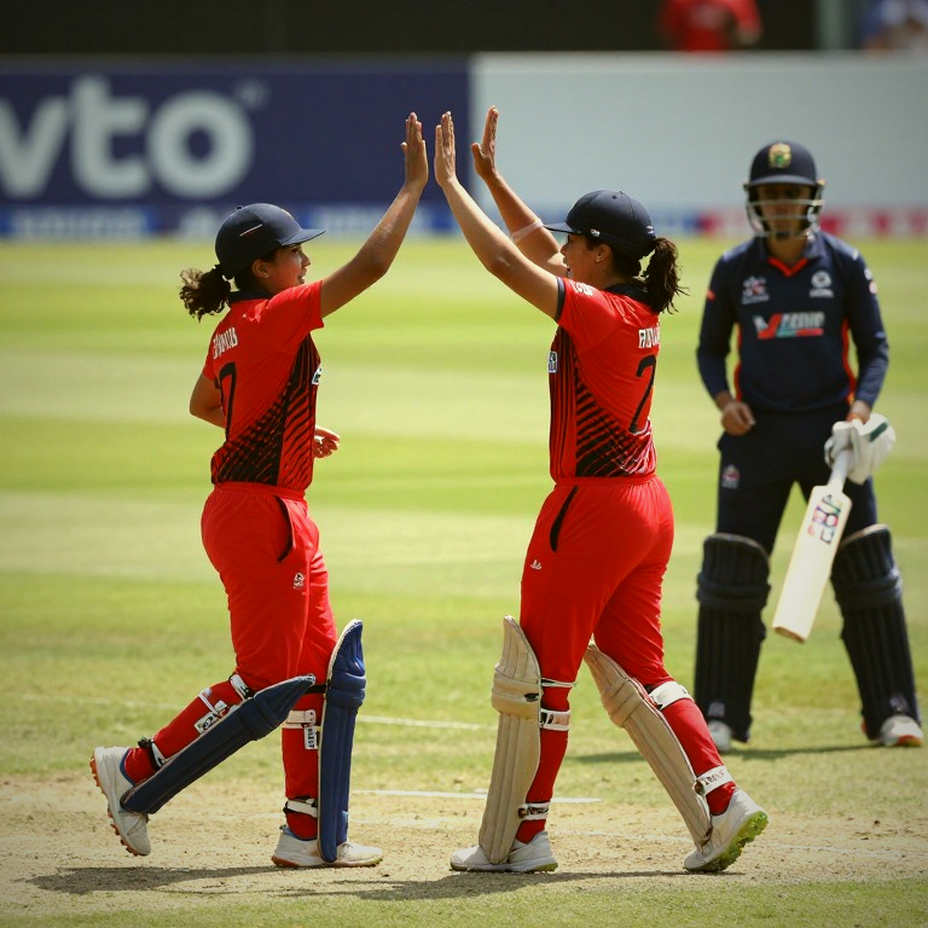
संबंधित खिलाड़ी
लोकप्रिय/पसंदीदा पुस्तकें
The Missing Link in Cricket Analytics: When There Is No Data, Asking the Right Question Is the Real Skill2026-11-01
Source Unavailable: Insufficient Information to Write the Cricket Report2026-11-01
The Questions Left After the ₹27 Crore Bid: The Real Ledger of Cricket's Transfer Window2026-11-01
U19 Asia Cup: Lakshya Raichandani Leads India Into a Tournament Whose Biggest Question Is Spin-Pace Balance2026-10-31
The Tape That Wasn't Kept: Indian Domestic Cricket's Lost Archive and the Talent Buried Inside It2026-10-31
From 4 for 5 to 221: Raza Blames Complacency, But the Real Crack Lies in the Death Overs2026-10-31
ICC's criiio Day: One Million Enrolled, and the Denominator Missing From the Release2026-10-30
अनुशंसित
Do Not Form an Opinion on Zero: Cricket's Information Economy and the Empty-Payload Problem2026-10-31
Four Formats, One Ledger: The Most Expensive Measurement Error in Indian Cricket Coverage2026-10-24
One Pitch, Two Bets: Bangladesh Bat, West Indies Bench Roach for Bishop2026-10-29
Newlands Decider: The Hidden 'Control Economy' of Wickets and Mitchell Starc's Boundary Line2026-10-24
U19 Asia Cup: Lakshya Raichandani Leads India Into a Tournament Whose Biggest Question Is Spin-Pace Balance2026-10-31
552 Boundary Runs, 93 Fours — and the 30 Sixes No Headline Reported2026-10-24
Shashikala Siriwardene in Melbourne’s North: The Scoreboard Changed, the Metrics Didn’t2026-10-29
अनुशंसित
India U19 Asia Cup: Raichandani's Captaincy and Muscat's Unseen Bowling Puzzle2026-10-31
Lahore's 110: Madushanka's Five-For and the Ledger Pakistan's Batting Never Closed2026-10-28
Empty Payload, Complete Format: The Cricket Analysis Failure That Reported Itself a Success2026-10-30
England's Tri-Series: Behind the Praise for Harry Brook Lies the Open Ledger of Death Overs2026-10-30
The Empty Ledger: The Account Indian Cricket Never Enters in Any Scorebook2026-10-27
South Africa's series-levelling win: the 425/9d, 99 and 156/4 scorecard — and the 183 runs the headline left out2026-10-23
An Empty Cell Is Still an Entry: The Cricket Report Where Every Field Read N/A2026-10-23