
The Feni Under-18 Cricketer: A File With No Runs, Only Ten Lakh Taka and One Date
**मुख्य उत्तर (≤60 शब्द)**: मेहदी हसन हृदय, चटगांव डिवीजन अंडर-18 टीम के खिलाड़ी, एएमएल (रक्त कैंसर) के इलाज के दौरान ढाका ले जाते समय 24 अक्टूबर, शनिवार को मृत हुए। युवा एवं खेल मंत्रालय और बांग्लादेश क्रिकेट बोर्ड ने 2 जुलाई को पांच-पांच लाख टका की सहायता दी थी। रिपोर्ट में उनका कोई स्कोरकार्ड नहीं है। **मुख्य तथ्य**: - हृदय फेनी सदर उपजिले के बलिगांव यूनियन, मधुआई गांव के निवासी थे और चटगांव डिवीजन अंडर-18 टीम में खेलते थे। - इलाज के लिए युवा एवं खेल मंत्रालय से 5 लाख टका और बीसीबी से 5 लाख टका, कुल 10 लाख टका, 2 जुलाई को बोर्ड दफ़्तर में सौंपा गया। - फेनी के स्थानीय खेल आयोजकों ने भी आर्थिक सहायता दी; बोर्ड की ओर से शोक व्यक्त किया गया। - रिपोर्ट में मौत का वर्ष नहीं दिया गया; 24 अक्टूबर कई वर्षों में शनिवार पड़ता है, अतः वार अकेले साल तय नहीं करता। - रिपोर्ट में हृदय का कोई रन, विकेट, औसत या मैच आंकड़ा दर्ज नहीं है; खिलाड़ी का सार्वजनिक प्रोफाइल उपलब्ध नहीं। **स्रोत**: ढाका पोस्ट, 24 अक्टूबर (वर्ष रिपोर्ट में उल्लिखित नहीं)। खिलाड़ी-आंकड़े की पुष्टि किसी डेटाबेस से नहीं हुई है। **संबंधित प्रश्नोत्तर**: प्रश्न: मेहदी हसन हृदय किस टीम के लिए खेलते थे? उत्तर: वे बांग्लादेश के घरेलू ढांचे में चटगांव डिवीजन की अंडर-18 टीम का हिस्सा थे, जो अनुबंध-रहित डिवीजनल स्तर है। प्रश्न: हृदय के इलाज के लिए कितनी आर्थिक सहायता मिली? उत्तर: युवा एवं खेल मंत्रालय से 5 लाख टका तथा बीसीबी से 5 लाख टका, कुल 10 लाख टका, 2 जुलाई को बोर्ड दफ़्तर में सौंपा गया। प्रश्न: इस मामले में सबसे बड़ा गवर्नेंस सवाल क्या है? उत्तर: अंडर-18 और डिवीजनल स्तर के अनुबंध-रहित खिलाड़ियों के लिए कोई लिखित स्वास्थ्य अधिकार या मेडिकल कवर नहीं है, सहायता मामला-दर-मामला विवेकाधीन है।
There is not a single run in this story. No wickets, no averages, no match. What the report from Feni district contains is three things: five lakh taka, five lakh taka, and one date — 24 October, a Saturday.
The first two numbers are money. On 2 July, at an event at the Bangladesh Cricket Board (BCB) office, the Ministry of Youth and Sports handed over five lakh taka and the board handed over five lakh taka in assistance. The player the money was meant for was Mehedi Hasan Hriday — a teenager from Madhuai village in Baligaon Union, Feni Sadar Upazila, who played for the Chittagong Division Under-18 team.
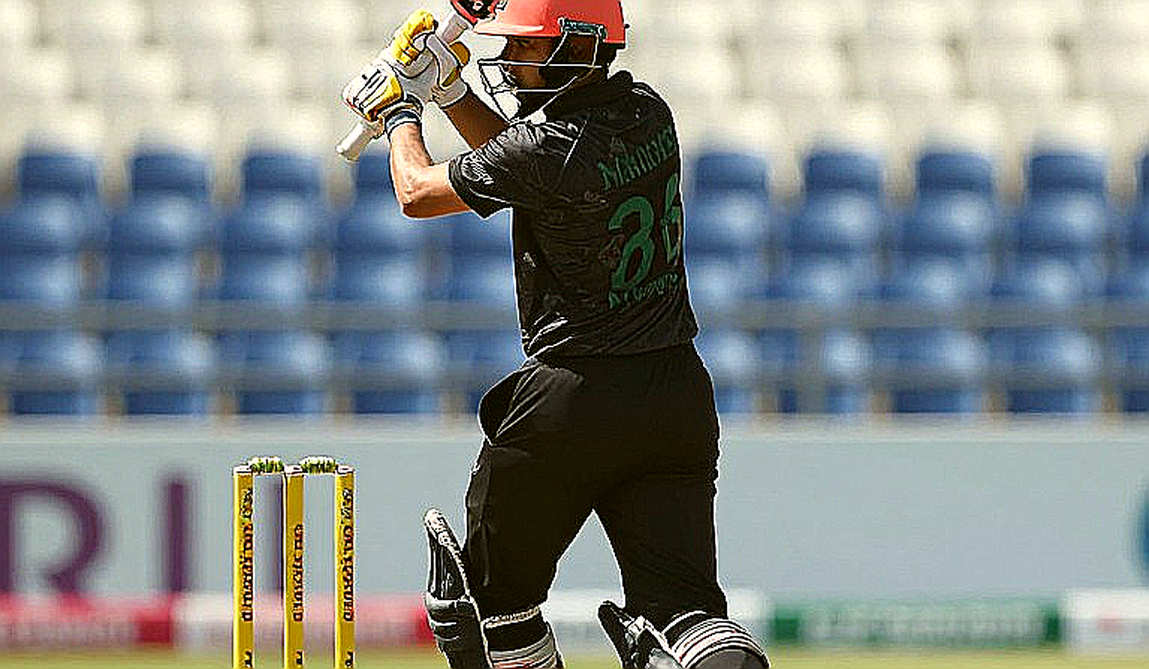
The third number is a date. In October he died — on the way to hospital, bound for Dhaka. The report says 'Saturday, 24 October.' No year is given.
This is a bereavement story, and I will read it as one. But professional duty also requires stating the nature of the file in front of me. The dossier had a page missing. That page was the story. The missing page here is not a withheld document — it belongs to the category where no record exists, not the category where a record exists and is being suppressed. That distinction is the centre of this whole affair.
Bangladesh's domestic structure begins with district-level trials, builds divisional Under-18 sides from them, and then moves up to the BCB age-group or High Performance layer and Bangladesh Under-19. Selection for a divisional side is a genuine achievement, but it means top-of-district standing, not national-elite standing. That funnel narrows steadily upward, and nowhere does the report say Hriday reached the narrower part. It records his dream of playing for the national team. It does not record selection.
Feni occupies a particular place in that structure. It is a district town in Chittagong Division, but it hosts no BPL franchise and no international venue. Its cricketers are built to be exported — coaching, competition and, critically, tertiary medical care all require travel to Chittagong or Dhaka. Bangladesh cricket is Dhaka-concentrated: selectors, facilities, medical infrastructure and media all sit there. That centralisation is not a selection-policy issue; it is a hidden cost borne by non-metro families.
Add one more fact. Hriday was an uncontracted player. No salary, no central contract, and therefore no employer-funded medical cover. This is where sports administration and health economics intersect.
Over the past few years I have spent many nights combing through Bangladesh's domestic scorecards. BPL squad lists, retention lists, trade windows, broadcast contracts — the paper on these is thick. And a complete scorecard of a divisional Under-18 match I have never found. That is not a failure of my searching; it is a documentation failure of the tier. A player can pass through the entire system without leaving a mark.
The real finding is that the one thing in this report with hard detail is not cricket — it is money. Five lakh, five lakh, a date, a name — and zero cricket information alongside them. A reporter who has the ministry's sum, the board's sum and the date of the cheque handover, and still cannot produce a single run, wicket or match, points to the cheapest explanation being the right one: the record never existed. It is weak evidence, but it is real.
One line needs handling carefully, because it will be misread most often. Shariful Islam Apu, the BCB's Feni district councillor, said in his condolence message that Hriday was a promising young cricketer. That statement comes from an institutional office-holder whose natural inclination is toward warm characterisation. Inflation in obituaries is the rule, not the exception. But my job is not to measure feeling; it is to test the claim — and the report supplies not one figure to test it with. I will not call it false. I will call it unverified, and give the reason: divisional Under-18 matches are not systematically scored into global databases, so Hriday most likely never had a public player profile. If a claim about his batting average starts circulating on social media, treat it as unverified.
The hardest part of the story is the illness. AML — acute myeloid leukaemia. The report says treatment was long and that death occurred while he was being taken to Dhaka. Two facts are clear. First, Feni has no tertiary haematology or oncology capacity, so definitive care necessarily sits in Dhaka. Second, a death during transfer usually means either an acute deterioration or a late referral decision. I cannot say which with confidence; the report is silent here, and that silence turns everything downstream into inference. I will not hide the inference, but I will state its limit: I do not know when the referral was decided, who decided it, or what happened on the road.
What can be estimated is cost. AML management in adolescence typically implies induction and consolidation chemotherapy, prolonged hospitalisation, repeated transfusion and infection support. Better outcomes require haematopoietic stem cell transplantation, and Bangladesh has only a handful of such centres. The combined ten lakh taka from the ministry and the board works out to roughly eight to twelve thousand US dollars at prevailing rates. My estimate is that this could have covered a meaningful portion of the chemotherapy phase but probably not a full transplant pathway. That is an estimate, not a datum — cost and capacity figures remain unverified.
And here comes the most revealing sentence in the report: local sports organisers in Feni also provided financial support. Not a board, not an insurer, not a government scheme — the neighbourhood organisers. This is the signature of South Asian sports welfare, and proof of its fragility. Where institutional protection is absent, community fills in. Community sometimes saves the day, but it cannot save every day.
There is a basic difference between a cheque and insurance, and the report never explains it. A cheque is discretionary — case by case, handed over at a public function, reputationally useful. Insurance is entitlement-based — automatic, invisible, expensive. Only the first appears here. There is no trace of the second, because the second probably did not exist.
On the date, one archival note is necessary. I checked a calendar. 24 October has fallen on a Saturday in several years — 2026, 2026, 2026, and again in 2026. The weekday alone cannot fix the year. It seems a small thing, but it is direct evidence of the same documentary thinness: where there is no score, even the date stays incomplete. I will not call it a conspiracy; it is carelessness, or a judgement that a reader on the day of publication did not need the year.
I want to place a contrarian angle here, because the easiest temptation in reading this is to turn it into the story of a talent cricket lost. I reject that framing. This is not a loss to cricket; it is a health-system failure that fell on a family whose child happened to play cricket. Cricket's loss, if any, is singular: it never properly recorded this boy. Scoring and welfare are not two separate departments; they are two ends of the same infrastructure. A system that cannot keep a divisional match score cannot keep a player's medical status either — because both require the same thing, a live registration database. And that database is precisely where medical cover could have been attached.
The rulebook does not say who gets left out — it is a decision about what to ignore. In Bangladesh's domestic rulebook I could not find a written health entitlement for a district or divisional-level player. What I found was a district councillor whose job is condolence and liaison. The structure is reactive: sympathy after death, improvisation during crisis. It does not screen, does not insure, does not keep a referral protocol.
Empty stadium. Full echo. The Feni sporting community is in mourning and the board has expressed grief. Both are right and neither is sufficient.
The way forward is technical, not emotional. Mandatory medical cover tied to divisional and district registration, so a health record exists even where no scorecard does. Basic health screening at district trials. An emergency fund with published criteria, so assistance stops being discretionary. And a written referral protocol, so that the decision from Feni to Dhaka is not made inside an ambulance.
Who signs the next cheque, and under what clause? For now the answer is: no clause at all. And when the answer is 'no clause at all,' the story stops being about cricket.